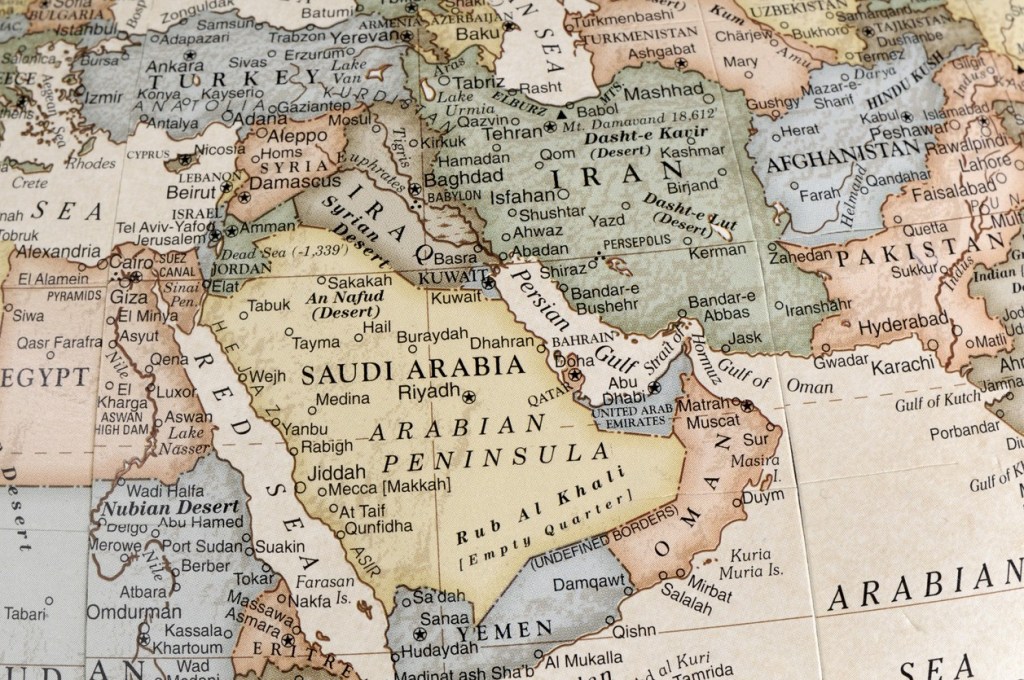
The Middle East is undergoing a period of profound transformation as long‑standing regional orders erode and a more fragmented, multipolar landscape emerges. Shifting power balances, persistent conflict, economic diversification efforts, and evolving security alignments have increased both the region’s dynamism and its unpredictability. Regional actors now exercise greater agency in shaping political, economic, and security outcomes, particularly in the Gulf, which has become a central driver of de‑escalation initiatives, post‑conflict stabilization, energy transition strategies, and emerging regional security frameworks. At the same time, unresolved conflicts, governance challenges, and external pressures continue to pose significant risks. Analysis of the Middle East examines these intersecting dynamics to assess the region’s evolving order, the prospects for stability and integration, and the broader implications for global security and economic systems.